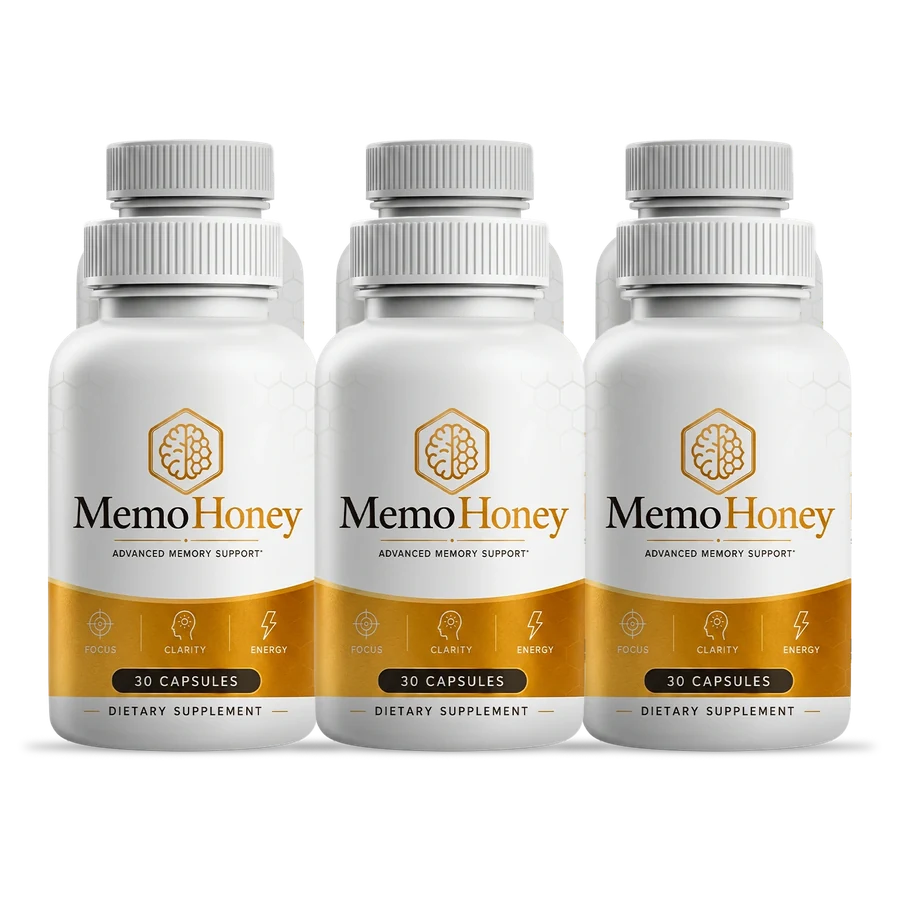
MemoHoney Official Website › Choosing A Memory Supplement
Choosing A Memory SupplementChoosing a memory supplement: a buyer's checklist
Read the panel before the front label. Count the ingredients and divide, because a long list in one capsule means small fractions. Check whether a refund window outlasts the product's own stated wait. And ask the seller one question in writing, which tells you more than the packaging does.
Nine checks, in the order a shopper actually does them, none of which needs any scientific background.
Check one: turn the bottle around
The front of a supplement is advertising and the back is information. The Supplement Facts panel is the regulated statement: serving size, servings per container, and a line for every active with an amount against it.
If there is no panel, that is the first thing to notice, and it happens more often than shoppers expect, particularly in online-only products photographed from the front. A product without a visible panel is a product whose contents you are taking on trust (the FDA's questions and answers on dietary supplements).
It is also a fixable problem rather than a fatal one. Any seller can send you the panel, and check nine below is how to ask.
Check two: count the names, then divide
A capsule holds a few hundred milligrams of powder in total. Every name on the label shares that space, and the more names there are, the less of each is present.
This runs exactly opposite to how the category advertises itself. Twelve ingredients sounds more generous than four, and in a capsule it is usually less of everything. The arithmetic is not subtle and it is rarely printed.
So the useful question is not how many ingredients a formula has but whether any one of them is present at an amount somebody has studied. One ingredient at a trial dose beats twelve at a rumour of one.
Check three: look for a proprietary blend
A proprietary blend is a group of ingredients with one total weight against them and no individual amounts. It is legal, it is common, and it means the split between the ingredients is unknowable to you.
Blends are usually ordered by weight, so the first name carries the most. A blend with an expensive ingredient listed last and a cheap filler listed first is telling you something, if you know to read it that way.
A formula with every amount printed and no blend is the case to hope for, and it is the one this website's own product falls into: seven lines, seven amounts. The check then moves on to whether any of those amounts is one somebody has studied.
None of the three is a reason to walk away on its own. All three are a reason to treat the packaging's claims about potency as unverified.
Check four: set the refund window against the stated wait
Most products in this category quote a wait before anything is expected, and most offer a refund window. The interesting number is the difference between them.
A window shorter than the stated wait is a policy you cannot use, because it closes before the product's own seller says you should have an opinion. A window comfortably longer than the wait is a policy that can actually be exercised.
For the product on this website the figures are 3–6 weeks against 60 days, which clears it. It is worth doing the same subtraction on anything else you are considering, and it takes ten seconds.
Then check who pays return postage, because on a six-month pack that is a real cost, and it is almost always the buyer.
Check five: work out the price per day, not per bottle
Bottle prices are not comparable across products because serving sizes differ. Two capsules a day out of a sixty-capsule bottle is a month; one a day out of the same bottle is two.
Divide the pack price by the number of days it covers and compare that. It frequently reorders the shelf, and it is the only figure that tells you what a year of something costs.
Do the same arithmetic on the multi-bottle discount. A larger pack is cheaper per day and commits you further, and the honest question is how much of it falls outside the refund window you just checked.
Checks six to eight: the seller, not the product
Is there a telephone number?
A number answered by a person who can see an order is worth more than any emblem on the label. It is also the thing that decides how a refund goes when something is wrong.
Are the claims the label's claims?
Compare what the website says with what the bottle says. A page claiming more than its own front label has crossed a line the manufacturer did not, and the claim belongs to the page.
Does anything renew?
Check for a subscription at the checkout rather than after it. A recurring charge on a supplement is the commonest complaint in this whole category and it is entirely avoidable by reading one screen.
Check nine: ask one question, in writing
“Please send me the Supplement Facts panel for the lot you would ship me: serving size, and the amount of each named ingredient in milligrams.” Email it, so the answer is in writing.
The answer separates three kinds of seller in one exchange. One sends a photograph within a day. One sends a serving size and a blend total, which is partial and honest. One does not answer, or answers with marketing copy.
That is more information than the packaging, the emblems and the review score put together, and it costs one email.
For the product on this website the panel is already printed, so the question moves one step on, to the certificate of analysis for lot MEM-26/ME-4830: ring +1 (302) 200-3480. If a certificate arrives, this desk would like a copy at contact@Memoehoney.com, because it would improve these pages more than anything their authors could write.
Sources behind this checklist
- Questions and Answers on Dietary Supplements. U.S. Food and Drug Administration. https://www.fda.gov/food/information-consumers-using-dietary-supplements/questions-and-answers-dietary-supplements
- Using Dietary Supplements Wisely. National Center for Complementary and Integrative Health, National Institutes of Health. https://www.nccih.nih.gov/health/using-dietary-supplements-wisely
- Yeung LK, Alschuler DM, Wall M, et al. Multivitamin Supplementation Improves Memory in Older Adults: A Randomized Clinical Trial. Am J Clin Nutr. 2023;118(1):273-282. PMID 37244291. https://pubmed.ncbi.nlm.nih.gov/37244291/
- DeKosky ST, Williamson JD, Fitzpatrick AL, et al. Ginkgo biloba for prevention of dementia: a randomized controlled trial. JAMA. 2008;300(19):2253-62. PMID 19017911. https://pubmed.ncbi.nlm.nih.gov/19017911/
- Minto C, Vecchio MG, Lamprecht M, et al. Definition of a tolerable upper intake level of niacin: a systematic review and meta-analysis of the dose-dependent effects of nicotinamide and nicotinic acid supplementation. Nutr Rev. 2017;75(6):471-490. PMID 28541582. https://pubmed.ncbi.nlm.nih.gov/28541582/
- Memory. MedlinePlus, U.S. National Library of Medicine. https://medlineplus.gov/memory.html
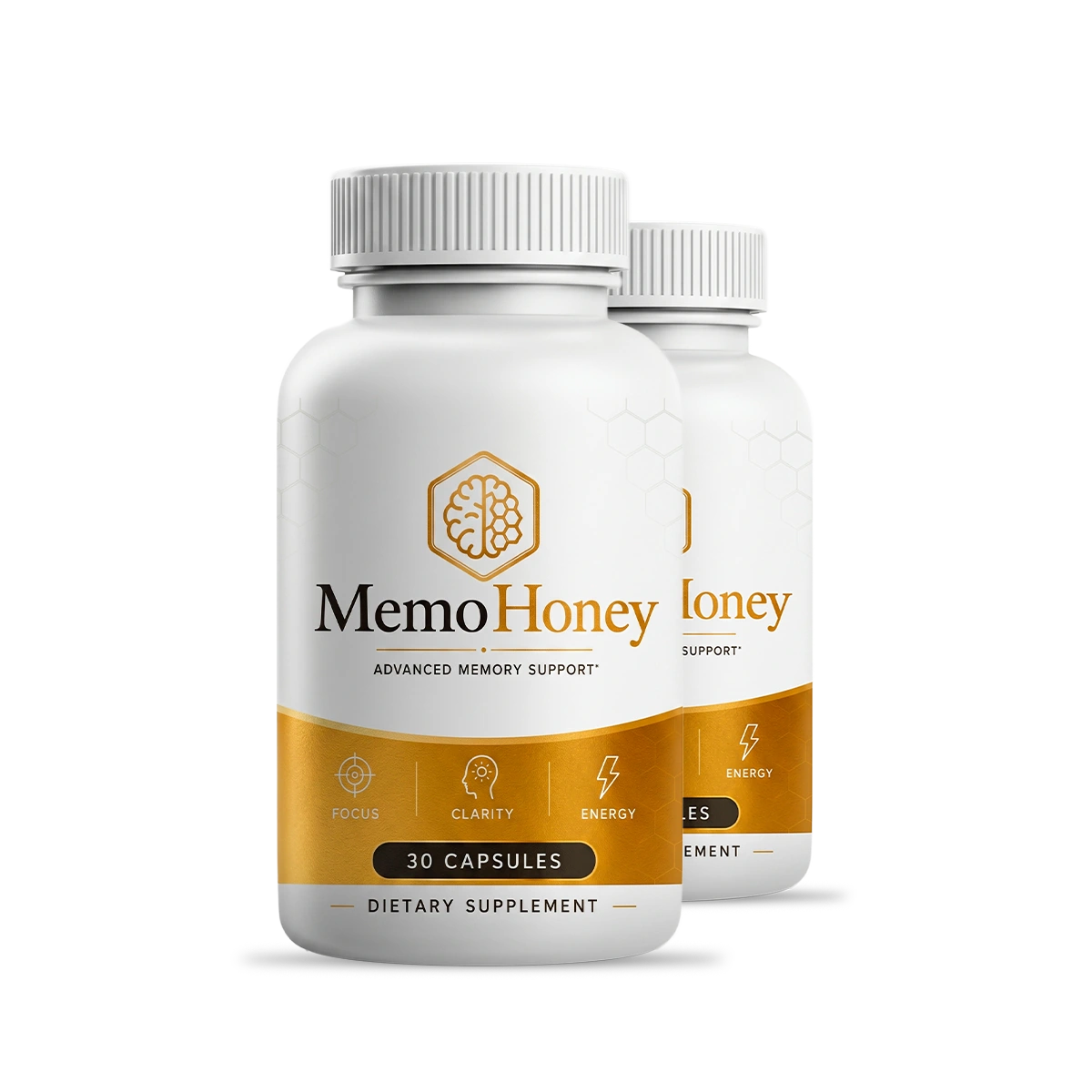
Running the checklist on MemoHoney
Seven ingredients with every amount printed, one capsule a day, sixty days of window against a three to six week stated wait, no subscription, and a telephone number answered by a person. The label analysis on this website works through the rest.
Two bottles $158 · six bottles $294 · 60 days from purchase to change your mind
Order MemoHoney From This DeskLot MEM-26/ME-4830 · 30 capsules a bottle · dispatched inside the United States