MemoHoney Official Website › Guides
GuidesGuides to buying a memory supplement well
Two long guides written for anybody shopping this category, not only for readers of this website. One covers what a memory supplement can and cannot be expected to do. The other covers how to read a label, a price and a refund policy before you pay for any of them.
Written to be useful to somebody who ends up buying a different product entirely.
The two guides
A memory supplement guide
What this category actually contains, what the published record supports, and the four things with randomised evidence behind them that are not sold in a bottle. Roughly a fifteen-minute read.
Choosing a memory supplement
A buyer's checklist: reading a panel, spotting a proprietary blend, working out what a refund window is really worth, and the three questions that separate a serious seller from a thin one.
Why a retail desk publishes guides at all
The obvious answer is that guides attract readers, and that is true. The better answer is that this category is unusually hard to shop and a badly informed buyer is a returning one.
A reader who understands what a Supplement Facts panel is will ask this seller for one, which is the single most useful thing they can do about this product. A reader who knows that a refund window is a commercial signal rather than a clinical one will read the 60 days on this site correctly. A reader who knows that hearing and blood pressure have randomised evidence behind them will not buy a capsule instead of a hearing test.
None of those three makes a sale more likely and all three make a purchase better. That is the trade this desk is making by writing them.
What these guides deliberately avoid
- Ranking products. This desk sells one of them and a ranking from a seller is worth nothing.
- Naming a competitor to knock it down, which is the oldest trick in this category and is transparent to everybody.
- Recommending an amount of anything. The guides describe what trials used; they do not prescribe.
- Inventing a medical reviewer. The byline on every page here is an organisation, and it is checkable as one.
- Pretending the writer has no stake. This desk is paid when a reader buys through it, and the disclaimer says so in its first third.
Five constraints, which between them rule out most of what passes for a buying guide in this category. What is left is a description of how the category works and how to check a claim, which is less exciting and considerably more use.
The product pages, for readers who came for those
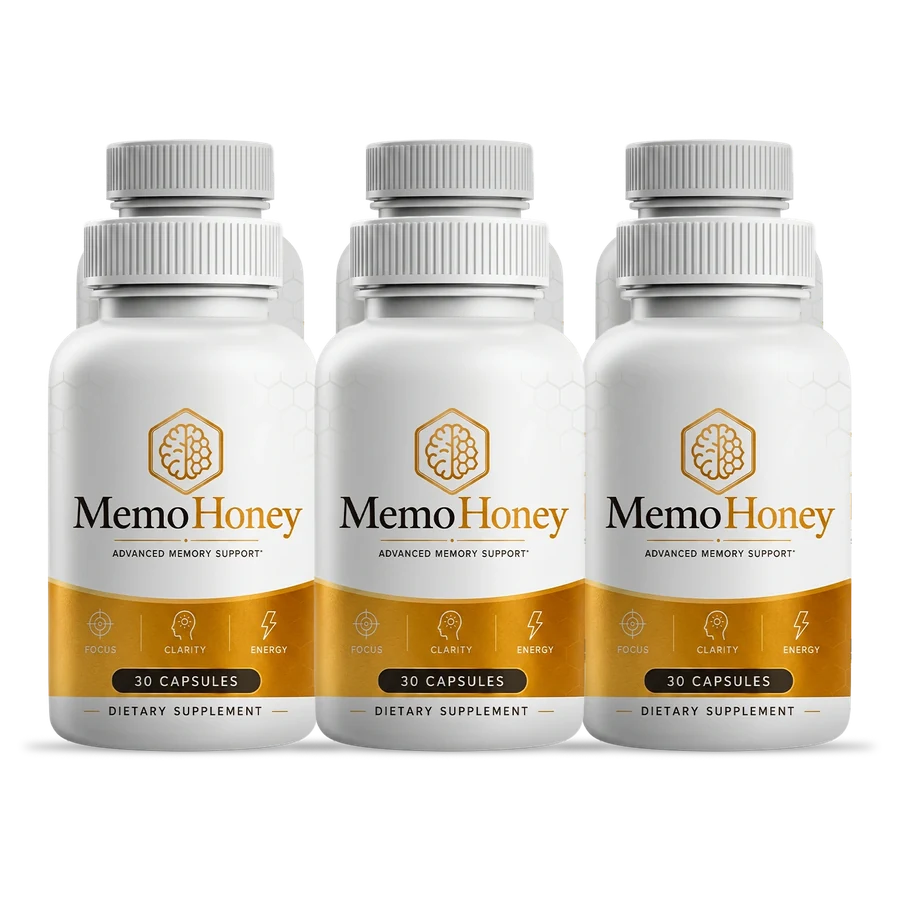
The guides above are general. If you arrived looking for MemoHoney specifically, the pages worth reading in order are the seven ingredients, how it is meant to work, how long it takes and what it costs.
The two that most readers skip and should not are side effects, because of the three medicine classes on it, and verify a batch, because it contains the one question worth putting to the seller.
The blog carries five longer pieces on narrower questions, including the ingredient on this label with the largest gap between its trial amount and a capsule.
What you will find in each guide
| Guide | What it covers | Who it is for |
|---|---|---|
| A memory supplement guide | The five groups this category divides into and what the published record looks like for each; the four things with randomised evidence that are not sold in a bottle; why a mechanism is not a measurement; and the capsule arithmetic that decides almost everything. | Anybody trying to work out what this aisle can reasonably do. |
| Choosing a memory supplement | Nine checks in the order a shopper does them: the panel, the ingredient count, proprietary blends, the refund window against the stated wait, price per day, three checks on the seller rather than the product, and one question to ask in writing. | Anybody about to pay for something in this aisle, here or elsewhere. |
Both run to roughly a fifteen-minute read and both end with their sources and the same editorial byline.
The two overlap deliberately at one point, which is the arithmetic of what a capsule can hold. It is the single fact that reorders this aisle for most readers, and it is worth meeting twice.
How these guides are written
- Every research claim links to the record it came from. Each one was fetched from the NCBI summary service rather than typed from memory, and a retraction sweep was run across the whole set.
- Two papers that a search would surface for this category are deliberately absent: a retracted citrulline blood-pressure meta-analysis and a retired practice guideline. Neither is cited anywhere on this website.
- Nothing prescribes an amount. Where a trial dose is quoted it is quoted as what that trial used, with the population and the outcome attached.
- Nothing ranks products, because a ranking published by a seller is worth nothing to a reader.
- The commercial relationship is stated: this desk is paid when a reader buys through it, which the disclaimer covers in full.
The byline on both guides is the MemoHoney Team at Memoehoney, which is an organisation rather than an invented individual, and corrections go to contact@Memoehoney.com. A guide that is wrong is changed and its review date moves.
Who writes these guides
- Using Dietary Supplements Wisely. National Center for Complementary and Integrative Health, National Institutes of Health. https://www.nccih.nih.gov/health/using-dietary-supplements-wisely
- Questions and Answers on Dietary Supplements. U.S. Food and Drug Administration. https://www.fda.gov/food/information-consumers-using-dietary-supplements/questions-and-answers-dietary-supplements
- Memory. MedlinePlus, U.S. National Library of Medicine. https://medlineplus.gov/memory.html
- Yeung LK, Alschuler DM, Wall M, et al. Multivitamin Supplementation Improves Memory in Older Adults: A Randomized Clinical Trial. Am J Clin Nutr. 2023;118(1):273-282. PMID 37244291. https://pubmed.ncbi.nlm.nih.gov/37244291/